İstanbul 22°C
Parçalı Bulutlu
İstanbul
22°C
Parçalı Bulutlu
Pts
17°C
Sal
15°C
Çar
6°C
Per
14°C

Selecting the most appropriate depreciation method depends on how the asset generates value, its expected usage pattern, and industry standards. The useful life is the estimated period during which the asset will be used by the business. It is important to note that the depreciation expense reported on the tax return is not necessarily the same as the depreciation expense reported on the financial statements. The difference between the two is referred to as the book-tax difference. The book-tax difference can be either positive or negative, and it can have a significant impact on a business’s taxable income.
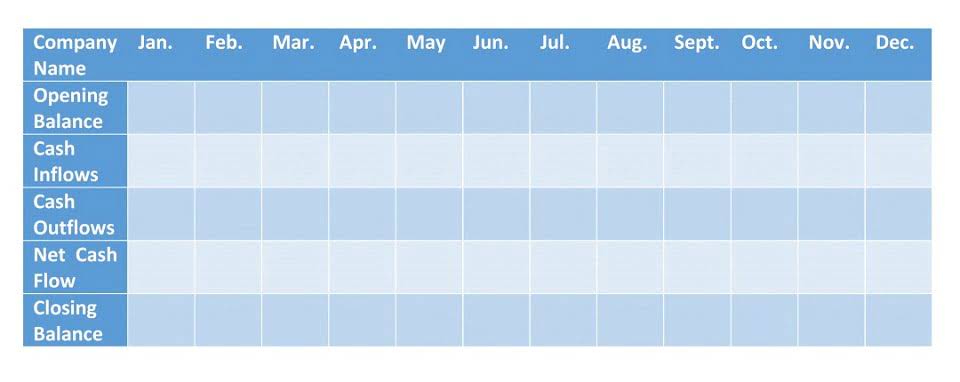
Now let’s see how to calculate the depreciation expense for each of the depreciation methods. Different methods can be used such as Straight Line & Written Down Value in Tally. All Tally users must pass this entry correctly to keep true financial books. This is a simple machinery depreciation journal entry using the straight-line method. It is presented in the balance sheet as a deduction to the related fixed asset. Here’s a table illustrating the computation of the carrying value of the delivery van for each year of its useful life.
A depreciation journal entry records the periodic allocation of an asset’s cost as an expense on the income statement and reduces its value on the balance sheet. The average age of fixed assets, commonly referred to as the average age of PP&E is calculated by dividing accumulated depreciation by the journal entry for depreciation gross balance of fixed assets. This ratio gives visibility into how old an organization’s fixed assets are. An older average age may indicate the organization will require reinvestment in fixed assets in the near future. This financial ratio can be helpful internally when budgeting and forecasting.

It helps keep your financial statements accurate and ensures that the true value of your assets is always reflected. In accounting, making the Accounting Periods and Methods right journal entries for depreciation is crucial. LiveCube further allows users to do a one-time set up automation for journal entry postings. Journal Entries can also be customized based on individual system records.

Now that we know the process, let’s review examples of depreciation journal entries. A depreciation expense is the total amount deducted each period from the asset’s value. This helps match the expense of using an asset with the revenue it helps generate.
Depreciation has an impact on the net https://www.bookstime.com/ income and cash flow of a company. Since it is recorded as an expense in the income statement, it reduces the net income of the company. However, since it is a non-cash expense, it does not affect the cash flow of the company. It reflects the reduction in value of an asset due to factors such as usage, aging, or technological obsolescence.