İstanbul 22°C
Parçalı Bulutlu
İstanbul
22°C
Parçalı Bulutlu
Pts
17°C
Sal
15°C
Çar
6°C
Per
14°C

It kills around 178,000 people annually across the country, shortening their anticipated lifespan by about 24 years. His known medical conditions included diabetes mellitus type 2 and hypertension on medication which he stopped on his own for the last few days. He has been drinking alcohol of approximately 150 to 200 mL daily for the last 10 years. For over 50 years, we’ve been administering evidence-based treatments with a compassionate approach to help patients find lasting freedom from addiction. We’ll be with you for life, with various inpatient and outpatient services, including an alumni support network. To learn how you can start a journey toward recovery, contact us at Gateway Foundation today.
Unlike DKA, where insulin deficiency drives ketogenesis, AKA is primarily caused by alcohol’s inhibitory effect on gluconeogenesis and its depletion of glycogen stores. While both conditions present with ketosis and acidosis, the absence of hyperglycemia in AKA is a critical distinguishing factor. Similarly, starvation ketosis shares ketotic features but lacks the severe acidosis and hypoglycemia seen in AKA. Recognizing these differences is essential for tailored management, as misdiagnosis can lead to inappropriate treatment, such as insulin administration in AKA, which can exacerbate hypoglycemia. Dehydration in AKA is both a symptom and a contributor to the condition’s severity. Prolonged vomiting and nausea lead to significant fluid loss, while alcohol’s diuretic effect compounds the issue by increasing urine production.
Alcoholic Ketoacidosis develops primarily as a result of excessive alcohol consumption and inadequate food intake. When individuals indulge in heavy drinking, it leads to a cascade of physiological changes in the body, creating a perfect storm for alcoholic ketosis. Alcoholic ketoacidosis is distinct from diabetic ketoacidosis (DKA) as it doesn’t necessitate diabetes and isn’t synonymous with high blood glucose levels. (4) Sober living home Both conditions share similarities, but medical professionals differentiate them through a comprehensive case assessment. Alcoholic Ketoacidosis is something I unfortunately experienced firsthand due to my excessive alcohol consumption. It was a scary and painful experience, with symptoms like nausea, vomiting, and intense abdominal pain.
If you or someone you know experiences these symptoms after heavy drinking, especially without https://ecosoberhouse.com/ adequate food intake, seek medical help promptly. As this condition is heavily related to heavy drinking, the only way to prevent alcoholic ketoacidosis is to limit alcohol consumption. Of course, in cases of alcohol dependence and alcohol use disorder, this is very difficult. In fact, abruptly quitting alcohol can lead to severe (and even life-threatening) alcohol withdrawal symptoms. Therefore, seeking medical advice and professional help for alcohol dependence and alcohol use disorder is important.
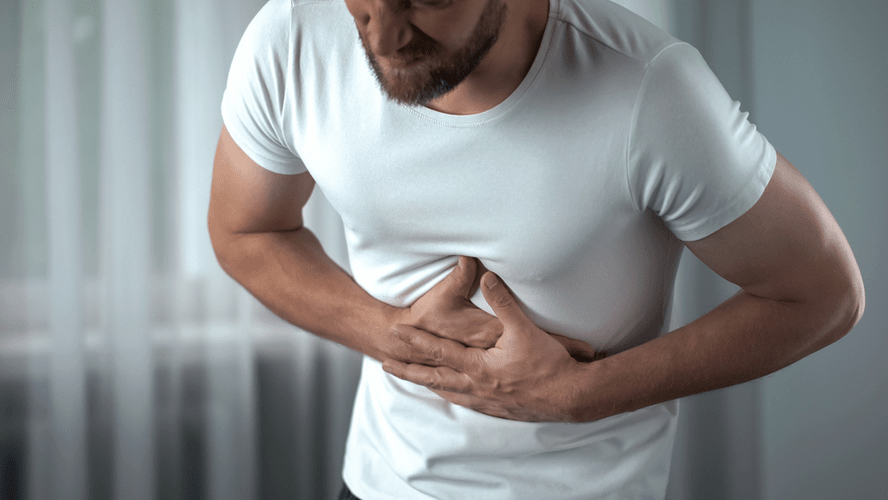
Conversely, when ketoacidosis is identified, but its origin is unrelated to alcohol, medical professionals may explore other diagnostic possibilities. This may involve conducting tests to rule out conditions such as starvation ketosis. This pain is often described as a dull ache in the upper abdomen and can be accompanied by a feeling of fullness or bloating. The pain may also be accompanied by tenderness to the touch, particularly in the area of the liver. Symptoms can appear or worsen when someone abruptly stops drinking alcohol after a prolonged period of heavy use.
Following detox, personalized treatment plans integrate therapies to address addiction’s underlying causes, promoting sustained sobriety. Recognizing the importance of ongoing support, Hanley emphasizes continuing care after residential programs, ensuring patients have the resources and guidance needed for long-term recovery. By alcoholic ketoacidosis diagnosis providing holistic care that addresses both medical and addiction-related needs, Hanley Center fosters a supportive environment for individuals to achieve lasting health and sobriety.

Diagnosis typically involves laboratory tests, including arterial blood gas (ABG) measurement and serum chemistry assays, to confirm the presence of ketones and the degree of acidosis. Patients with AKA require prompt medical attention to address the underlying metabolic disturbances and prevent further complications. Treatment typically includes intravenous fluid replacement, electrolyte correction, glucose administration when needed, and thiamine supplementation. Patients receive careful monitoring of vital signs and may require treatment for underlying alcohol use disorder.
Generally, the physical findings relate to volume depletion and chronic alcohol abuse. Typical characteristics of the latter may include rhinophyma, tremulousness, hepatosplenomegaly, peripheral neuropathy, gynecomastia, testicular atrophy, and palmar erythema. The patient might be tachycardic, tachypneic, profoundly orthostatic, or frankly hypotensive as a result of dehydration from decreased oral intake, diaphoresis, and vomiting. The liver’s inability to synthesize and release glucose can also lead to dangerously high levels of lactate.